
Business Structuring Accountants in Montmorency & Doreen
The structure you choose for your business affects how much tax you pay, how well your personal assets are protected and how easily your business can grow. Getting it right from the start can save you time, money and stress down the track.
At C&H, we provide business structuring advice to small and medium family businesses from our offices in Montmorency and Doreen. Whether you’re starting out as a sole trader, setting up a company or trust, or reviewing a structure that no longer fits, our accountants will help you find the right setup for your goals.
What Is Business Structuring?
Business structuring is the process of choosing and setting up the legal and tax structure your business operates under. In Australia, the most common options are a sole trader, partnership, company or trust, and many family businesses use a combination of these.
Your structure determines who owns the business, who is responsible for its debts, how profits are taxed and what reporting obligations you have. It also shapes how you can bring in partners, pass the business on or sell it in the future. That’s why it’s worth getting advice before you commit.
Why Getting Your Business Structure Right Matters
There’s no one-size-fits-all structure. The right choice depends on your industry, income, level of risk, family situation and long-term plans.
Protect your personal assets
Some structures keep business risk separate from your family home and savings. Others leave you personally responsible for business debts. Understanding the difference is important, especially if you work in a higher-risk industry or employ staff.
Manage tax more effectively
Each structure is taxed differently. The right setup can give you more flexibility in how profits are distributed and help you make the most of your tax opportunities as your income grows.
Plan for growth and the future
A well-planned structure makes it easier to bring in new partners or investors, borrow for expansion and, when the time comes, hand the business to the next generation or sell it.
Common Business Structures in Australia
Below is a simple overview of the four main business structures. Each has its own advantages, costs and obligations, and the best fit will depend on your circumstances.
Sole Trader
A sole trader structure is the simplest and cheapest way to run a business. You have full control, and the business income is reported on your personal tax return. The trade-off is that you are personally liable for all business debts, and there is limited flexibility to manage tax as your profits increase.
Partnership
A partnership is two or more people or entities running a business together. The partnership lodges its own tax return, but each partner pays tax on their share of the profit. Partners are generally jointly responsible for the debts of the partnership, so a clear partnership agreement is essential.
Company
A company is a separate legal entity registered with ASIC. It pays tax on its own profits and can offer a level of protection for your personal assets. Companies come with higher setup and ongoing compliance costs, and directors have legal duties they need to meet.
Trust
A trust is a structure where a trustee holds assets or runs a business for the benefit of beneficiaries. Family (discretionary) trusts are popular with family businesses because they can offer flexibility in how income is distributed each year. Trusts are more complex to set up and manage, and many use a company as the trustee.
| Structure | Setup and running costs | Personal liability | How it's taxed | Often suits |
|---|---|---|---|---|
| Sole trader | Low | You are personally liable for all business debts | Taxed at your individual rates | New or smaller businesses with lower risk |
| Partnership | Low to moderate | Partners generally share liability for business debts | Each partner is taxed on their share of the profit | Two or more people going into business together |
| Company | Moderate to high | Generally limited, although directors can be personally liable in some cases | The company pays tax on its profits | Growing businesses and higher-risk industries |
| Trust | Moderate to high | Sits with the trustee, which is why many trusts use a company as trustee | Income is usually taxed in the hands of the beneficiaries | Family businesses and asset protection |
When Should You Review Your Business Structure?
Your structure should grow with your business. What worked when you started may not suit you five or ten years later. We recommend reviewing your structure if you are:
- Starting a new business or buying an existing one
- Earning more profit than when you first set up
- Bringing in a business partner, investor or family member
- Employing staff or taking on more risk
- Buying property, equipment or other significant assets
- Planning to sell, retire or pass the business on
Restructuring a business can have tax and stamp duty consequences, so it’s important to plan carefully. In some cases, rollover relief may be available when restructuring a small business. We’ll talk you through the costs and benefits before any changes are made.
Our Business Structuring Services
We offer practical business structuring services for new and established businesses, with advice tailored to your industry, size and goals.
Structure advice for new businesses
Starting a business? We’ll help you compare your options and choose a structure that suits you now and leaves room to grow.
Business structure reviews
For established businesses, we review your current setup to identify risks, missed tax opportunities and areas that could be simplified.
Company and trust setup
Once you’ve decided on a structure, we can help set up your company, trust or combined company and trust structure, and register it for an ABN, TFN and GST where needed.
Restructuring an existing business
If your current structure no longer fits, we’ll guide you through the restructure, including the tax implications and each step involved.
Ongoing tax and compliance support
Once your structure is in place, our team can look after your tax returns, BAS, bookkeeping and tax planning, so everything stays on track.
How Our Process Works
Initial Consultation
We start by getting to know you, your business and your plans. We’ll ask about your income, assets, family situation and where you’d like the business to be in the years ahead.
Structure Recommendation
We’ll explain your options in plain language, including the pros, cons and costs of each, and recommend the structure that best suits your goals.
Setup and Ongoing Support
Once you’re happy with the plan, we help put it in place and continue to review it as your business and circumstances change.
Why Choose C&H for Business Structure Advice?
For over 30 years, we’ve worked alongside Melbourne’s small and medium family businesses, helping them set up, grow and protect what they’ve built.
At C&H, we keep things simple. We’ll only recommend a structure that makes sense for your situation, and we won’t add complexity you don’t need. Every recommendation is tailored to you, because no two businesses are the same.
As a family owned and operated firm, we offer business tax, bookkeeping, SMSF, succession planning and financial planning under one roof, so your structure works hand in hand with the rest of your finances.
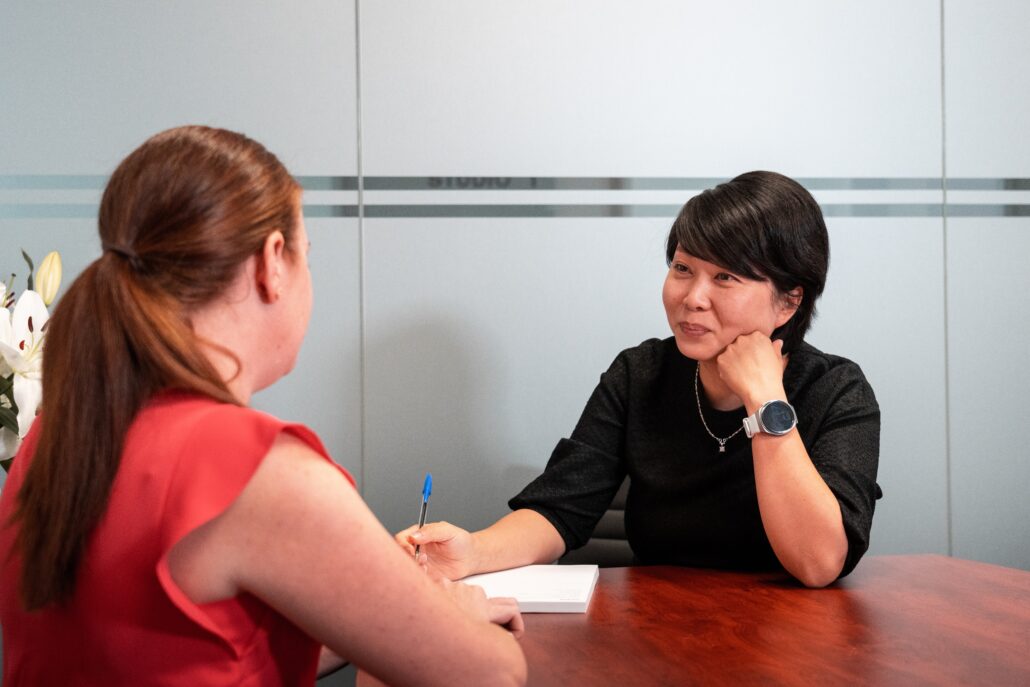
Business Structuring in Montmorency, Doreen & Across Melbourne
C&H proudly provides business structuring and business advisory services across Melbourne, with a strong local presence in Montmorency and Doreen. We work with business owners throughout Melbourne’s north east, including Eltham, Greensborough, Diamond Creek, Briar Hill, Lower Plenty, Mernda, South Morang, Mill Park and Epping.
Montmorency Office
14/39 Grand Boulevard, Montmorency VIC 3094. A 15-minute walk from Were Street.
Phone: (03) 9431 1420.
Doreen Office
Level 1/100 Hazel Glen Drive, Doreen VIC 3754. Across from Laurimar Primary School, near Laurimar Town Centre.
Phone: (03) 8724 0107.
Whether you’re nearby or based elsewhere in Melbourne, we make expert advice simple and accessible. Alongside in-person consultations, we also offer flexible meetings via Teams, Zoom or phone to suit your schedule.
Frequently Asked Questions
There’s no single best structure. Many small businesses start as a sole trader because it’s simple and low cost, then move to a company or trust as profits and risk increase. The right choice depends on your income, assets, industry and future plans, which is why we recommend getting advice before you set up.
A sole trader is cheaper and easier to run, but you’re personally liable for business debts and taxed at your individual rates. A company costs more to set up and maintain, but it’s a separate legal entity that pays tax on its own profits and can offer more protection. If your business is growing or carries more risk, a company is often worth considering.
A company is a separate legal entity that owns its assets and pays tax on its profits. A trust is an arrangement where a trustee holds assets for beneficiaries, and income is usually taxed in the hands of the beneficiaries it’s distributed to. Many family businesses combine the two by using a company as the trustee of a family trust.
Yes. Many businesses restructure as they grow. Changing structure can involve capital gains tax, stamp duty and new registrations, although rollover relief may be available in some situations. We’ll help you understand the costs and plan the change so it runs as smoothly as possible.
At C&H, we can manage the entire setup process. We’ll advise on the most appropriate structure from a tax and financial perspective and, where legal documentation is required, work with our established tax lawyers to prepare the necessary corporate and establishment documents.
Depending on your circumstances, we may also recommend seeking additional legal advice for matters such as shareholder agreements, partnership agreements, buy-sell arrangements or other agreements between business owners.
The cost depends on the complexity of your business and the structure you need. We’ll talk through your situation in an initial consultation and provide a clear quote before any work begins.
Get Your Business Structure Right From the Start
Whether you’re starting a new business or reviewing the one you’ve built, our team is here to help. Contact our Montmorency or Doreen office to speak with a business structuring accountant today.
